


Cost of Rice Milling Machines: A Detailed Guide
The cost of rice milling machines can vary widely based on factors such as the type of machine, its capacity, the level of automation, the features included, and the manufacturer. Whether you are looking for small-scale rice milling equipment for local production or large-scale machines for industrial operations, understanding the cost structure can help you make an informed decision.
In this article, we will break down the prices of different types of rice milling machines, factors influencing their costs, and the expected price ranges for each.
1. Types of Rice Milling Machines and Their Prices
Rice milling machines come in various types, each designed to meet specific needs. These machines can range from simple, low-cost models for small-scale farmers to sophisticated, automated systems used in large commercial rice mills.
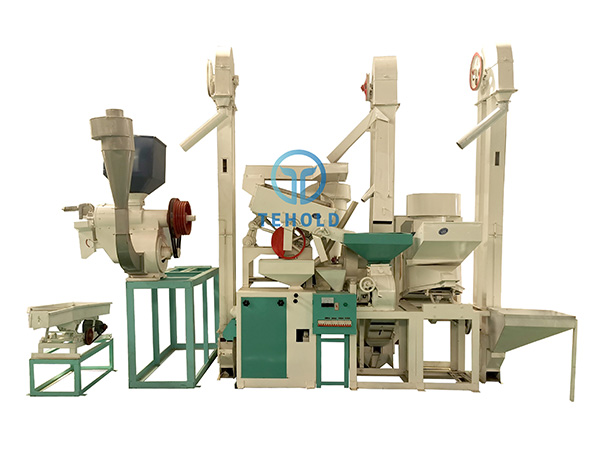
1.1. Small-Scale Rice Milling Machines
Small-scale rice milling machines are designed for smallholder farmers, family-owned rice mills, or local cooperative mills. These machines typically process small quantities of rice at lower speeds compared to larger systems but are highly cost-effective for small-scale operations.
Mini Rice Milling Machines (also called Home-use or Small-scale Mills):
Example: A mini rice mill might cost around $2,500 to $3,000 USD, ideal for small farms processing up to 300kg of paddy rice per hour.
Compact design
Suitable for low-volume milling
Typically includes dehulling, polishing, and separating functions
Simple operation and maintenance
Price Range: $500 - $5,000 USD
Capacity: 50kg - 500kg of rice per hour
Key Features:
1.2. Medium-Scale Rice Milling Machines
Medium-scale rice milling machines are typically used by regional mills, cooperatives, and medium-sized rice processing businesses. These machines can handle higher capacities, process more types of rice, and are often semi-automatic or fully automated.
Price Range: $5,000 - $20,000 USD
Capacity: 500kg - 3 tons of rice per hour
Key Features:
Example: A medium-scale rice milling machine with a capacity of 1 ton per hour could cost around $8,000 to $12,000 USD, depending on the brand and specific features.
High capacity for medium-scale production
Fully automated or semi-automated operations
Additional features such as polishing, sorting, and grading
1.3. Large-Scale Commercial Rice Milling Machines
Large-scale rice milling machines are used in industrial rice mills and by major rice processing companies. These machines can process large quantities of rice with high efficiency and can be fully automated for maximum productivity.
Price Range: $20,000 - $200,000+ USD
Capacity: 3 tons - 20 tons of rice per hour (or more)
Key Features:
Example: A commercial-scale rice milling machine with a capacity of 5 tons per hour could cost anywhere between $30,000 to $60,000 USD. Large-scale mills with capacities of 10 tons or more per hour can cost upwards of $100,000 USD.
Fully automated systems with high precision
Capable of milling large quantities with high throughput
Multiple functions like husking, whitening, polishing, sorting, and packaging
Integrated dust collection and waste management systems
High efficiency and energy-saving technology
2. Factors Affecting the Cost of Rice Milling Machines
The price of rice milling machines is influenced by several key factors, including:
2.1. Capacity
The higher the capacity of the machine, the higher the cost. Small-scale mills (50kg to 500kg per hour) are cheaper, while industrial-scale mills (10-20 tons per hour) can be much more expensive.
2.2. Automation Level
Automated rice mills, which require less human intervention and reduce labor costs, are generally more expensive than semi-automatic or manual mills. Fully automated systems that handle all processes from husking to polishing to packaging will come at a premium price.
2.3. Features
The inclusion of advanced features such as polishing units, sorting devices, grading systems, automatic packaging, and dust collection will increase the price of the milling machine. Machines with additional features are designed for higher efficiency and better quality output, and thus cost more.
2.4. Brand and Manufacturer
Reputable brands such as Buhler, Andritz, Tehold International, and Satake offer high-quality machines with excellent customer support and long lifespans. However, the brand also influences the price. Well-established brands tend to have higher prices, especially for machines with advanced technology.
2.5. Machine Configuration
Machines designed to process specific types of rice (e.g., brown rice, glutinous rice, or parboiled rice) may be priced higher due to the specialized technology required.
2.6. Location
Shipping, taxes, and import duties can also affect the overall price of rice milling machines. International buyers should factor in shipping costs and any local import fees when purchasing machinery from abroad.
3. Additional Costs to Consider
When purchasing rice milling machines, there are additional costs beyond the initial price tag. These include:
3.1. Installation Costs
Installation costs can vary depending on the complexity of the machine and the location. Installation for large-scale commercial mills might cost anywhere between $1,000 and $5,000 USD or more.
3.2. Spare Parts and Maintenance
Regular maintenance is essential to keep rice milling machines functioning efficiently. Spare parts (like blades, rollers, motors) may need to be replaced over time. For medium- to large-scale mills, maintenance and spare parts can cost $1,000 - $5,000 USD annually.
3.3. Energy Consumption
Larger, more powerful machines typically consume more energy. Depending on the scale of your operation, the electricity costs of running rice milling equipment should also be factored into the total cost.
4. Where to Buy Rice Milling Machines
Rice milling machines can be purchased from several local and international manufacturers and distributors. Some of the leading companies in the rice milling equipment industry include:
Tehold International: Known for high-quality, affordable rice milling machines suitable for small to medium-sized operations.
Satake: A pioneer in the rice milling industry, offering advanced milling equipment for large-scale operations.
Buhler Group: Offers state-of-the-art milling solutions for both small-scale and commercial rice mills.
Andritz: Specializes in industrial-scale rice milling machines with advanced features and high capacity.
You can also explore local distributors and agents in your region for purchasing machinery, as well as consider second-hand or refurbished machines for cost savings.
5. Conclusion: How to Choose the Right Rice Milling Machine for Your Needs
The cost of rice milling machines can range from $500 to $200,000+ USD, depending on the scale, automation, features, and brand of the machine. When choosing a rice milling machine, consider the scale of your operation, the desired quality of rice, and your budget. For small-scale or family-owned farms, mini rice mills or medium-sized mills are often the most cost-effective options. For large rice processing businesses, investing in high-capacity, fully automated commercial mills will provide greater long-term profitability despite the higher upfront cost.
By carefully evaluating your needs, considering the machine features, and selecting a reputable manufacturer, you can ensure that your rice milling operation is efficient, cost-effective, and sustainable in the long run.