WELCOME TO CALL US (+86) 18203311200 E-mail: admin@tehold-machine.com


Author: Site Editor Publish Time: 2026-05-20 Origin: Site
In modern flour production, equipment is just the foundation; standardized operation is the key to guaranteeing flour quality and extending machinery lifespan. This guide aims to help operators establish a standardized workflow, ensuring production is safe, stable, and efficient.
Before pressing the start button, please spend 5 minutes completing the following checks. This simple habit can prevent 80% of potential failures:
Power & Air Supply: Ensure the voltage is stable and the air pressure meets the equipment requirements (typically above 0.6MPa).
Clear the Site: Ensure there are no foreign objects or debris inside the milling machine or sifting equipment, and that all inspection doors are tightly closed and securely locked.
Lubrication System: Check if the oil level is within the normal range and ensure the oil lines are unobstructed.
Belt Tension: Press the belt with your hand to check if the tension is appropriate, preventing slippage or breakage during operation.
No-Load Startup: Start the fans and dust collection system first, then start the main motor. Let the machine run idle for 2-3 minutes to listen for any abnormal noises or vibrations.
Uniform Feeding: Activate the feeder and maintain a consistent, even flow of grain. Crucially, avoid fluctuating feed rates. Overfeeding (choke feeding) will cause the machine to jam, while underfeeding will lead to unnecessary wear on the grinding rollers.
Real-Time Monitoring:
Ammeter: Keep a close eye on the main motor's current; it must remain within the rated range.
Output Quality: Continuously observe the flour fineness and the starch content in the bran. Adjust the roller gap promptly if deviations occur.
Shutdown Sequence: Stop feeding first -> Allow the machine to run until all internal materials are fully discharged -> Turn off the main motor -> Finally, turn off the fans and dust collectors.
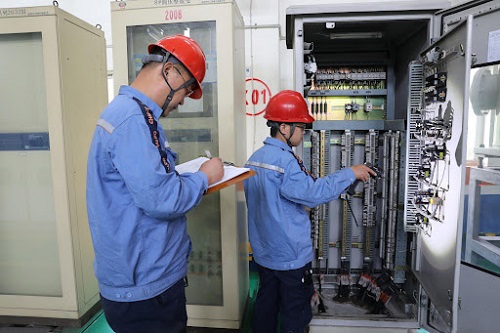
Lockout/Tagout (LOTO): When performing any maintenance, cleaning, or part replacement, you must cut off the power supply at the source and hang a "Do Not Operate" warning tag on the control panel.
Keep Hands Clear: While the machine is running, it is strictly prohibited to reach your hands or tools into the feeding or discharging chutes.
Dust Protection: Operators must wear dust masks. Regularly clean accumulated dust in the workshop to eliminate the risk of dust explosions.
Every Shift: Clean the sieves and wipe down the machine body to remove dust buildup before leaving.
Weekly Check: Inspect the wear and tear on the grinding rollers and check the sensitivity of pneumatic components.
Monthly Maintenance: Grease the bearings properly and inspect electrical wiring for any signs of aging or looseness.


