WELCOME TO CALL US (+86) 18203311200 E-mail: admin@tehold-machine.com


Author: Site Editor Publish Time: 2026-11-05 Origin: Site
Rice processing businesses need more than efficient husking and whitening equipment. Consistent grain quality, effective separation, and uniform finished rice are also important for meeting different market requirements. A suitable rice grading machine helps rice mill operators separate processed rice according to grain size, remove unwanted materials, and improve the consistency of the final product.
For small rice mills, agricultural processing businesses, and commercial rice milling facilities, choosing the right rice sorting machine depends on production capacity, rice varieties, processing requirements, and the desired finished product quality.
TEHOLD provides rice milling equipment and integrated processing solutions for different production scales, helping customers select suitable machinery for their local rice processing needs.
A rice grading machine is equipment used to classify processed rice into different grades according to physical characteristics such as grain length, thickness, and size.
During rice processing, broken rice, whole kernels, and other grain fractions may be mixed together. A grading system helps separate these materials into different categories, making it easier for rice mills to supply products that meet different customer requirements.
A complete rice processing operation may include several types of equipment:
Rice cleaning machines for removing dust and foreign materials.
Paddy husking machines for removing the outer husk.
Rice whitening machines for removing the bran layer.
Rice grading machines for separating different rice sizes.
Rice sorting machines for improving the consistency of finished products.
The specific equipment configuration depends on the processing capacity and quality requirements of the rice mill.
A rice sorting machine works by separating rice according to selected physical characteristics. Different separation methods can be used depending on the equipment configuration.
Screening equipment uses screens with different openings to separate rice grains according to their dimensions.
During operation, processed rice enters the screening section and moves across the screen surface. Different grain sizes pass through different openings or remain on the screen, allowing the machine to classify the material.
This process is useful for separating whole rice kernels from smaller broken rice fractions.
Length grading equipment separates rice according to grain length. It is particularly useful for commercial rice mills that need to classify whole kernels and broken rice into different product categories.
The grading result depends on screen or cylinder configuration, rice variety, and operating conditions.
For rice processors requiring additional quality control, optical color sorting equipment can identify grains with different colors or visible defects.
This type of equipment uses cameras and image recognition technology to identify selected grain characteristics and remove unwanted kernels through an ejection system.
Not every small rice mill requires an optical sorter. Equipment selection should reflect actual product quality requirements and investment plans.
A suitable rice mill machine can process different paddy varieties depending on its configuration and operating parameters.
Long-grain rice is widely consumed in Africa, Asia, and other international markets. Its slender kernel shape makes consistent grading important for commercial packaging and distribution.
Medium-grain rice has a different length-to-width ratio compared with long-grain varieties. Processing settings should be adjusted to match the physical characteristics of the raw material.
Short-grain rice generally has a rounder appearance. Appropriate screening and grading configurations help separate different grain fractions during processing.
A white rice machine processes paddy through husking and whitening stages to produce finished white rice.
For small processing businesses, an integrated rice milling machine can combine several essential operations in one compact system.
Not every rice processing business needs a large industrial production line. Small agricultural businesses, local rice processing workshops, and rural milling centers may prefer compact equipment with manageable operating requirements.
A small rice mill machine can combine essential processing functions while reducing the need for multiple independent machines.
For example, TEHOLD's SB Series Rice Milling Machine integrates several functions:
Stone removal and initial cleaning.
Paddy husking.
Air separation for chaff removal.
Rice whitening and polishing.
Separation of finished rice, bran, and husk.
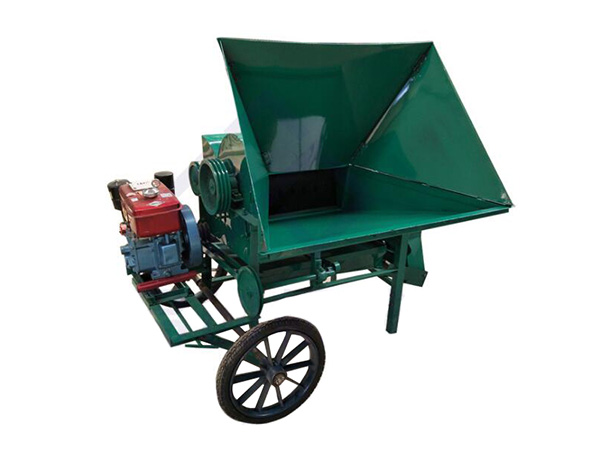
The machine is designed for rural areas and small workshops, with electric motor and diesel engine power options.
Available models include:
Model | Capacity | Power |
|---|---|---|
SB-5 | 400–600 kg/h | 5.5 kW / 8–10 HP |
SB-10 | 700–1,000 kg/h | 11 kW / 15 HP |
SB-30 | 1,100–1,500 kg/h | 15 kW / 18 HP |
SB-50 | 1,800–2,300 kg/h | 22 kW / 30 HP |
These models provide different processing capacities for businesses with different daily production requirements.
For more details, explore the SB Rice Mill Machine and Rice Grader product range.
Selecting suitable rice processing equipment requires an understanding of the raw materials, production targets, and finished product requirements.
The first consideration is the amount of paddy or processed rice that needs to be handled each day.
Small rice processing workshops may prefer compact equipment with a capacity of several hundred kilograms per hour. Commercial rice mills with larger production requirements may need an integrated processing line.
The capacity of each machine should also match the output of the other processing stages to avoid production bottlenecks.
Different markets have different expectations for rice appearance, grain size, and broken rice content.
Before selecting a rice grader, buyers should identify whether they need basic size separation, length grading, or additional optical sorting.
A clear understanding of the finished product specifications helps determine the appropriate equipment configuration.
Electricity availability is another important consideration, particularly for rural rice mills.
In locations where electricity supply is unstable or unavailable, equipment with alternative power options may provide greater operating flexibility.
TEHOLD's SB Series includes motor and diesel engine configurations for different operating environments.
Small rice processing businesses often operate in limited workshop spaces.
Compact equipment with integrated functions can help reduce installation requirements and simplify material handling.
For larger production facilities, buyers should consider the complete layout, including raw material storage, cleaning, husking, milling, grading, and finished rice packaging.
Reliable operation depends on regular maintenance and the availability of replacement components.
Before purchasing a rice milling machine, buyers should check the accessibility of wearing parts, maintenance requirements, technical support, and spare parts supply.
Although both machines process rice materials, their main purposes are different.
A rice mill machine is primarily designed to process paddy into edible rice through husking, whitening, and other related operations.
A rice flour milling machine is designed to grind rice into flour or powder for further food processing.
Rice flour can be used in the production of rice noodles, rice cakes, snacks, bakery products, and other food applications.
Businesses planning to produce both finished white rice and rice flour should evaluate their raw material supply, product demand, and required processing capacity before selecting equipment.
For businesses interested in other grain processing solutions, TEHOLD also provides Wheat Flour Mill Machines and Maize Milling Equipment.
TEHOLD International supplies agricultural and grain processing machinery for customers in different international markets.
Its product range covers rice milling, maize milling, wheat flour milling, animal feed processing, grain drying, and related equipment.
For rice processing businesses, TEHOLD provides equipment options for different production requirements, from compact rice milling machines to larger commercial processing solutions.
Key service capabilities include:
Equipment selection according to processing capacity.
Customized machinery configurations.
Grain processing project consultation.
Installation guidance and technical support.
Spare parts and after-sales service.
With service networks and branch offices in several African countries, including Kenya, Tanzania, and Rwanda, TEHOLD aims to support customers with equipment selection and project implementation.
Learn more about the company's agricultural machinery solutions and service capabilities.
A rice grader separates processed rice into different categories according to grain size, length, or other physical characteristics. It helps rice mills improve product consistency and prepare different grades for commercial markets.
A rice grading machine generally classifies rice according to physical dimensions, such as length and thickness. A rice sorting machine is a broader term that can include equipment for separating grains according to size, color, or other characteristics.
Yes. Integrated small rice milling machines can combine paddy cleaning, husking, whitening, and separation functions to produce white rice. The actual processing capacity depends on the selected model and raw material conditions.
Consider your daily processing capacity, rice variety, finished product requirements, available power supply, installation space, and budget. These factors help determine whether a compact integrated machine or a complete commercial rice milling line is more suitable.
Yes. TEHOLD supplies grain and agricultural processing machinery to international customers, including buyers in East African markets. Customers can contact the company to discuss equipment configurations and project requirements.
Choosing the right rice grading machine and rice milling equipment is important for improving processing efficiency and maintaining consistent finished rice quality.
From compact rice milling machines for rural workshops to larger commercial rice processing systems, equipment selection should be based on actual production capacity, grain characteristics, and local market requirements.
TEHOLD provides rice milling and grain processing equipment for different business scales. Whether you are planning a small rice processing workshop or expanding an existing milling facility, selecting a suitable machine configuration is an important step toward efficient production.
Contact TEHOLD to discuss your rice processing requirements and find suitable rice milling equipment for your business.