WELCOME TO CALL US (+86) 18203311200 E-mail: admin@tehold-machine.com


Author: Site Editor Publish Time: 2026-04-23 Origin: Site
Selecting the right rice milling machine is one of the most important decisions when building or upgrading a rice processing plant. The right system directly affects rice yield, grain quality, energy cost, and long-term profitability.
This guide provides a practical, decision-focused overview to help investors and plant operators choose the most suitable rice milling equipment based on capacity, automation, and production goals.
A rice milling machine is a system designed to process paddy (raw rice) into consumable white rice by removing:
Husk (outer shell)
Bran layers
Impurities
The goal is to maximize:
Head rice yield
Grain purity
Processing efficiency
Modern systems combine multiple stages into a continuous production line rather than a single machine.
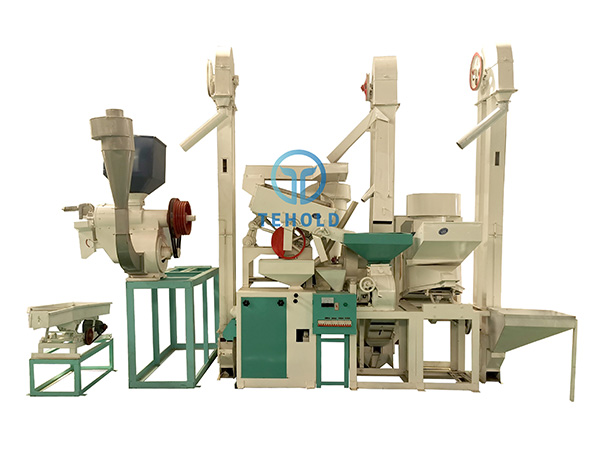
A complete rice milling plant usually follows this structure:
Removes impurities such as:
Stones
Dust
Straw
Improves equipment protection and milling efficiency
Separates husk from brown rice
Uses rubber roll huskers
Separates unhusked grains from brown rice
Improves overall efficiency
Removes bran layers
Produces smooth white rice
Sorts broken rice and whole rice
Ensures consistent product quality
Final rice is weighed and packed
Ready for distribution
This multi-stage system is the foundation of modern rice milling plants.
Choosing equipment is not just about price—it depends on production goals and business scale.
| Scale | Capacity | Suitable For |
|---|---|---|
| Small | 10–30 TPD | Local mills, startups |
| Medium | 30–60 TPD | Regional supply |
| Large | 60–120+ TPD | Commercial factories |
Capacity selection is the first and most critical step in plant planning.
Lower investment
More manual labor
Suitable for small operations
Continuous production
Lower labor cost
Higher consistency
Automation improves efficiency and reduces grain loss.
Lower cost
Flexible for small-scale production
Higher efficiency
Better coordination between stages
Suitable for commercial operations
Integrated systems improve workflow and reduce waste.
Key performance indicators:
Head rice recovery rate
Broken rice percentage
Milling yield efficiency
High-quality machines reduce grain breakage and improve profitability.
Rice mills require stable power systems.
Consider:
Motor efficiency
Machine load balance
Continuous operation capability
Poor energy planning increases long-term cost significantly.
100–500 kg/hour
Simple structure
Low investment
1–10 tons/hour
Multi-stage processing
High automation
Includes steaming & drying
Produces premium rice types
Complete automation
Cleaning → milling → packaging
Industrial-scale production
Stainless steel or heavy-duty alloy components
Longer lifespan and stability
Rollers
Screens
Bearings
Easy cleaning design
Modular replacement system
Anti-vibration base
Strong frame structure
Poor installation or unstable foundations can affect machine lifespan and performance.
Leads to:
High investment cost
Underutilized production
Affects:
Product type selection
Sales strategy
Cheap machines may lead to:
Higher breakage rate
Low milling yield
Limits business scalability
A profitable rice milling plant depends on:
High head rice yield
Low energy cost
Efficient processing flow
Strong supply chain
Profitability is more dependent on system design than just machine price.
Sensors for moisture control
Digital monitoring systems
Lower power consumption
Optimized motor control
Easy expansion
Flexible capacity upgrades
Parboiled rice
Organic rice processing
Choosing the right rice milling machine for your plant requires a careful balance of:
Production capacity
Automation level
Energy efficiency
Grain quality output
A well-designed system ensures:
Higher yield
Lower operating cost
Stable long-term profitability
For investors, the key is not just buying equipment—but building a complete, efficient rice processing system that can scale with market demand.


